
Contents
- 🎵 Origins & History
- ⚙️ How It Works
- 📊 Key Facts & Numbers
- 👥 Key People & Organizations
- 🌍 Cultural Impact & Influence
- ⚡ Current State & Latest Developments
- 🤔 Controversies & Debates
- 🔮 Future Outlook & Predictions
- 💡 Practical Applications
- 📚 Related Topics & Deeper Reading
- Frequently Asked Questions
- References
- Related Topics
Overview
Exhaust systems play a crucial role in guiding reaction exhaust gases away from controlled combustion inside an engine or stove, conveying burnt gases through a complex network of pipes, chambers, and emission control devices. With a global market size projected to reach $11.4 billion by 2025, the exhaust system industry is driven by stringent emissions regulations, increasing demand for high-performance vehicles, and advancements in materials and technologies. Key players such as Bosch, Faurecia, and Tennessee Automotive are investing heavily in research and development to improve exhaust system efficiency, reduce emissions, and enhance overall engine performance. As the automotive industry continues to evolve, exhaust systems will remain a vital component, with emerging trends such as electric vehicles and autonomous driving expected to shape the future of the industry. According to a report by MarketsandMarkets, the exhaust system market is expected to grow at a compound annual growth rate (CAGR) of 4.2% from 2020 to 2025, driven by increasing demand for fuel-efficient and environmentally friendly vehicles.
🎵 Origins & History
The concept of exhaust systems dates back to the early 20th century, when Henry Ford introduced the first mass-produced automobile, the Model T. As the automotive industry grew, so did the need for efficient and effective exhaust systems. Today, exhaust systems are a critical component of modern vehicles, with companies like Cummins and Daimler investing heavily in research and development to improve exhaust system efficiency and reduce emissions. The history of exhaust systems is closely tied to the development of the internal combustion engine, with key milestones including the introduction of the catalytic converter in the 1970s and the implementation of stricter emissions regulations in the 1990s.
⚙️ How It Works
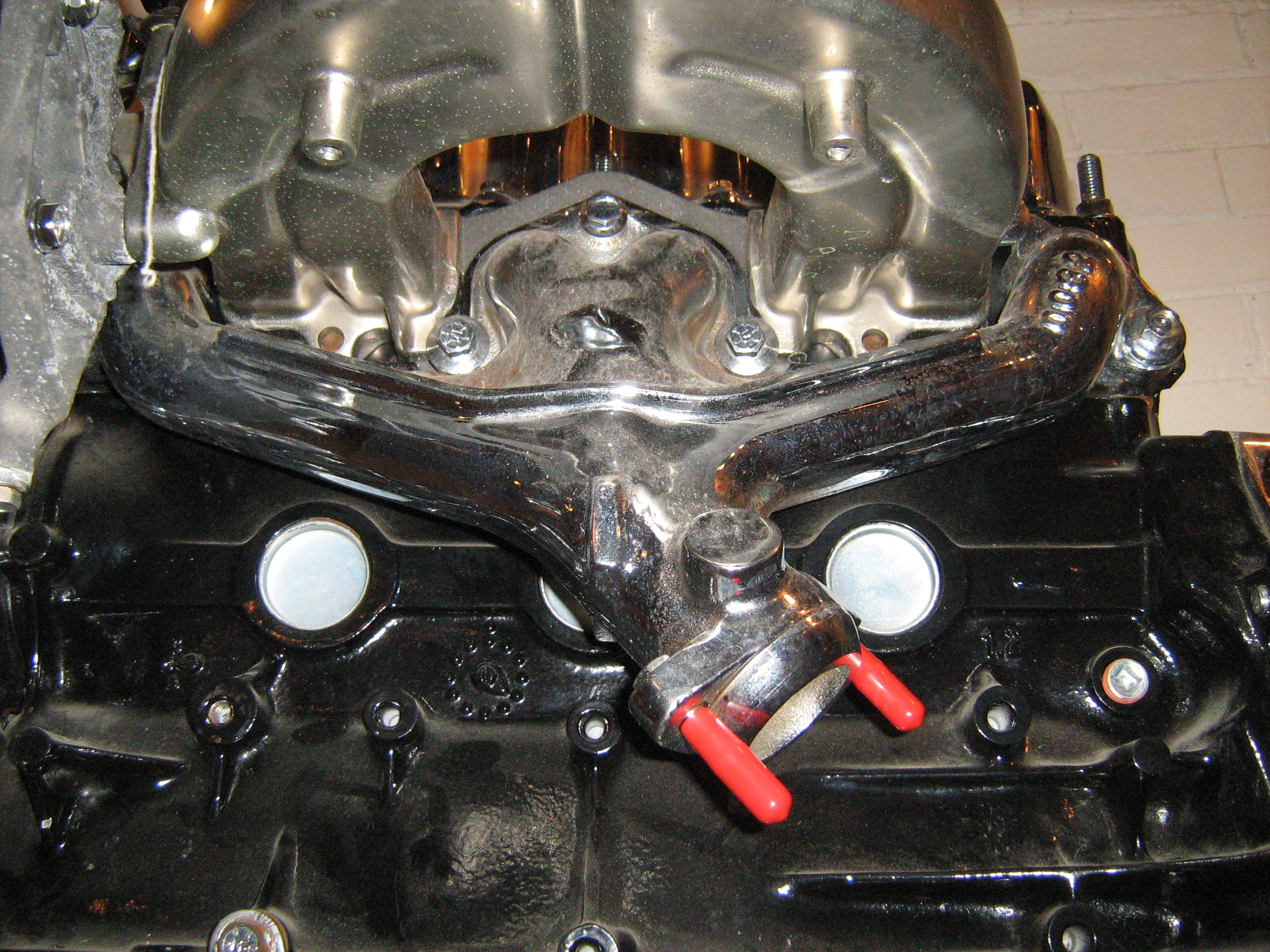
Exhaust systems work by conveying burnt gases from the engine through a network of pipes, chambers, and emission control devices. The system typically includes a cylinder head and exhaust manifold, which collect exhaust gases from the engine cylinders. The gases then flow through a turbocharger, which increases engine power, and a catalytic converter, which reduces air pollution. Finally, the gases pass through a muffler or silencer, which reduces noise. Companies like Borla and Flowmaster specialize in designing and manufacturing high-performance exhaust systems for a range of applications, from street cars to racing vehicles.
📊 Key Facts & Numbers
The exhaust system industry is a significant sector, with a global market size projected to reach $11.4 billion by 2025. Key players in the industry include Bosch, Faurecia, and Tennessee Automotive. The industry is driven by stringent emissions regulations, increasing demand for high-performance vehicles, and advancements in materials and technologies. For example, the use of titanium and stainless steel in exhaust system components has improved durability and reduced weight. According to a report by Grand View Research, the global exhaust system market is expected to grow at a CAGR of 4.5% from 2020 to 2027, driven by increasing demand for fuel-efficient and environmentally friendly vehicles.
👥 Key People & Organizations
Key people and organizations in the exhaust system industry include Bob Lutz, former CEO of Chrysler, who played a significant role in shaping the industry's focus on emissions control and fuel efficiency. Other notable companies include Magna International and Continental AG, which are leading suppliers of exhaust system components. The industry is also influenced by regulatory bodies such as the Environmental Protection Agency (EPA) and the National Highway Traffic Safety Administration (NHTSA), which set standards for emissions and safety. For example, the EPA's Clean Air Act has driven the development of more efficient and environmentally friendly exhaust systems.
🌍 Cultural Impact & Influence
Exhaust systems have had a significant cultural impact, with the sound of a muffler or exhaust pipe becoming synonymous with high-performance vehicles. The industry has also influenced the development of motor sports, with companies like NASCAR and Formula 1 relying on high-performance exhaust systems to gain a competitive edge. According to a report by Deloitte, the global motor sports industry is expected to grow at a CAGR of 5.5% from 2020 to 2025, driven by increasing demand for high-performance vehicles and the growing popularity of motor sports events.
⚡ Current State & Latest Developments
The current state of the exhaust system industry is one of rapid innovation and development. Companies are investing heavily in research and development to improve exhaust system efficiency, reduce emissions, and enhance overall engine performance. Emerging trends such as electric vehicles and autonomous driving are expected to shape the future of the industry, with companies like Tesla and Waymo leading the charge. According to a report by Bloomberg, the global electric vehicle market is expected to reach 14 million units by 2025, driven by increasing demand for environmentally friendly and fuel-efficient vehicles.
🤔 Controversies & Debates
Controversies and debates in the exhaust system industry center around issues such as emissions control, noise pollution, and the use of aftermarket components. Some argue that stricter emissions regulations are necessary to reduce air pollution, while others claim that such regulations stifle innovation and increase costs. Companies like Volkswagen and Fiat Chrysler have faced criticism for their handling of emissions scandals, highlighting the need for greater transparency and accountability in the industry. According to a report by The New York Times, the Volkswagen emissions scandal has resulted in over $30 billion in fines and settlements.
🔮 Future Outlook & Predictions
The future outlook for the exhaust system industry is one of continued innovation and development. Emerging technologies such as 3D printing and artificial intelligence are expected to play a significant role in shaping the industry's future. Companies like General Motors and Toyota are investing heavily in research and development to improve exhaust system efficiency and reduce emissions. According to a report by Forbes, the global 3D printing market is expected to reach $44.5 billion by 2025, driven by increasing demand for customized and complex components.
💡 Practical Applications
Practical applications of exhaust systems can be seen in a range of industries, from automotive to aerospace. Companies like Boeing and Lockheed Martin rely on high-performance exhaust systems to power their aircraft and spacecraft. The use of exhaust systems in motor sports is also a significant application, with companies like NASCAR and Formula 1 relying on high-performance exhaust systems to gain a competitive edge. According to a report by Reuters, the global motor sports industry is expected to grow at a CAGR of 5.5% from 2020 to 2025, driven by increasing demand for high-performance vehicles and the growing popularity of motor sports events.
Key Facts
- Year
- 2020
- Origin
- Global
- Category
- exhaust-systems
- Type
- technology
Frequently Asked Questions
What is the primary function of an exhaust system?
The primary function of an exhaust system is to guide reaction exhaust gases away from a controlled combustion inside an engine or stove, conveying burnt gases through a complex network of pipes, chambers, and emission control devices. This is achieved through the use of components such as cylinder heads, exhaust manifolds, turbochargers, catalytic converters, and mufflers. According to a report by SAE International, the design and development of exhaust systems is a critical aspect of engine performance and emissions control.
What are the key components of an exhaust system?
The key components of an exhaust system include the cylinder head and exhaust manifold, which collect exhaust gases from the engine cylinders. The gases then flow through a turbocharger, which increases engine power, and a catalytic converter, which reduces air pollution. Finally, the gases pass through a muffler or silencer, which reduces noise. Companies like Borla and Flowmaster specialize in designing and manufacturing high-performance exhaust systems for a range of applications.
What are the current trends and developments in the exhaust system industry?
The current trends and developments in the exhaust system industry include the use of emerging technologies such as 3D printing and artificial intelligence to improve exhaust system efficiency and reduce emissions. Companies like General Motors and Toyota are investing heavily in research and development to improve exhaust system design and application. According to a report by Forbes, the global 3D printing market is expected to reach $44.5 billion by 2025, driven by increasing demand for customized and complex components.
What are the key challenges and controversies in the exhaust system industry?
The key challenges and controversies in the exhaust system industry include the balance between emissions control and engine performance, as well as the use of aftermarket components. Companies like Volkswagen and Fiat Chrysler have faced criticism for their handling of emissions scandals, highlighting the need for greater transparency and accountability in the industry. According to a report by The New York Times, the Volkswagen emissions scandal has resulted in over $30 billion in fines and settlements.
What is the future outlook for the exhaust system industry?
The future outlook for the exhaust system industry is one of continued innovation and development, with emerging technologies such as 3D printing and artificial intelligence expected to play a significant role in shaping the industry's future. Companies like Tesla and Waymo are leading the charge in the development of electric vehicles and autonomous driving technologies, which are expected to have a significant impact on the exhaust system industry. According to a report by Bloomberg, the global electric vehicle market is expected to reach 14 million units by 2025, driven by increasing demand for environmentally friendly and fuel-efficient vehicles.
What are the practical applications of exhaust systems?
The practical applications of exhaust systems can be seen in a range of industries, from automotive to aerospace. Companies like Boeing and Lockheed Martin rely on high-performance exhaust systems to power their aircraft and spacecraft. The use of exhaust systems in motor sports is also a significant application, with companies like NASCAR and Formula 1 relying on high-performance exhaust systems to gain a competitive edge. According to a report by Reuters, the global motor sports industry is expected to grow at a CAGR of 5.5% from 2020 to 2025, driven by increasing demand for high-performance vehicles and the growing popularity of motor sports events.
What are the related topics and deeper reading on exhaust systems?
Related topics and deeper reading on exhaust systems can be found in areas such as engine performance, emissions control, and materials science. Companies like SAE International and ASM International provide valuable resources and information on exhaust system design, development, and application. According to a report by IEEE, the global materials science market is expected to reach $1.4 trillion by 2025, driven by increasing demand for advanced materials and technologies.